Listen to experts and tackle the toxic chemical crisis contributing to chronic disease

BY LAURIE VALERIANO AND SARAH DOLL, OPINION CONTRIBUTORS — 05/28/20 03:30 PM EDT
Infectious disease experts, scientists, and doctors have warned about the potential for a pandemic for years. Microsoft founder Bill Gates did a TED Talk on it and U.S. intelligence agencies knew it was a real threat. There was even a major USAID program, recently de-funded, called Predict, designed to head off pandemics.
And now, these scientific warnings have come true.
The once invisible threat of a virus spreading throughout our country is painfully visible today. Given a choice, wouldn’t we all choose to prevent the spread of this horrible virus in the first place?
It’s too late to stop COVID-19 from entering our lives. But there is another invisible threat to our health and well-being we can address.
Similar to those who cautioned us about a disease like COVID-19, leading public health experts, scientists, and doctors today warn us that exposure to toxic chemicals is contributing to rates of chronic illnesses.
Many of these chemicals are found in the air we breathe, the water we drink, and the products in our homes. And many of these illnesses worsen the impacts of COVID-19.
Experts have been calling attention to these invisible threats for decades. Meanwhile, companies are still putting harmful chemicals into the products they make.
More than 20 years ago, Dr. Pete Myers and Dr. Theo Colburn co-authored Our Stolen Future, explaining the science behind how synthetic chemicals interfere with hormonal action in people. Interfering with your hormones can cause a long list of health problems, including impairing your resistance to disease.
Dr. Linda Birnbaum, over her decades-long career, including as director of the National Institutes for Environmental Health, has been at the forefront of building the overwhelming scientific case revealing the toxic chemical crisis and its harmful impacts on public health. Recently, she pointed out that endocrine-disrupting chemicals “increase the diseases that cause the underlying conditions that result in susceptibility to COVID-19.”
Your family, friends, and neighbors are more vulnerable to the novel coronavirus if their defenses have been compromised by chronic illnesses like cancer, diabetes, or asthma. And scientific experts have found these and other health problems are all linked to exposure to toxic chemicals.
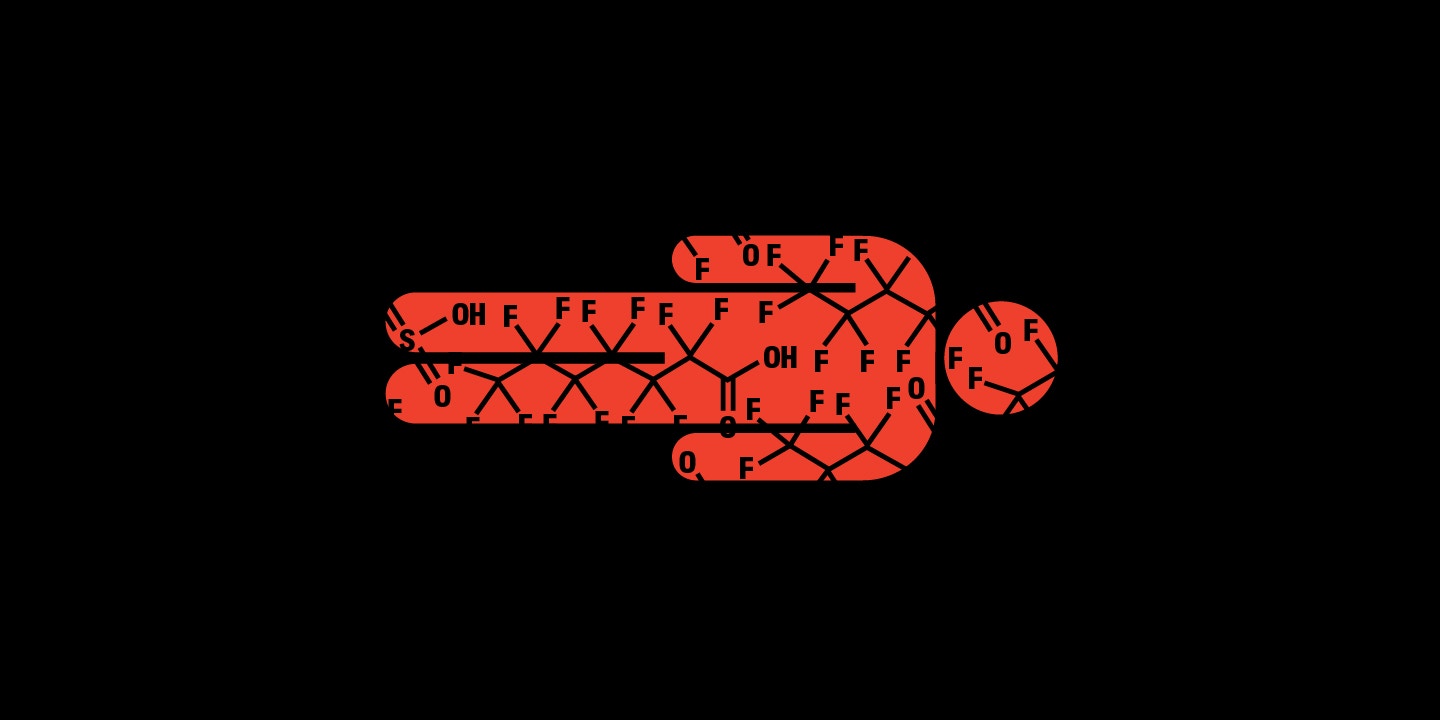
For example, chemicals called PFAS (per- and polyfluoroalkyl substances) are linked to many chronic illnesses as well as suppression of the immune system. And yet they are still commonly used for stain resistance and water repellency in millions of consumer products, such as carpets, food packaging, and furniture. A Harvard study found millions of people in the U.S. are drinking unsafe levels of PFAS in their water.
Our existing federal regulatory systems are failing us by allowing hazardous chemicals to contaminate people and the planet. Current laws allow the most dangerous chemicals to be used in everyday consumer products—from cosmetics and clothing to electronics and home furnishings.
If we’ve learned anything from our current crisis, it’s that we must heed the advice of health and medical experts. We must aggressively invest in prevention, safer alternatives, and our public health infrastructure. We need to build healthier and more resilient communities as a key step dramatically reducing people’s exposure to harmful chemicals must be a public health priority.





 Dairy cows rest outside at Stoneridge Farm in Arundel, Maine, in August 2019. The farm was forced to shut down after sludge spread on the land was linked to high levels of PFAS in the milk. Photograph: Robert F Bukaty/AP