Sewage sludge battle heats up as health advocates appeal move to dismiss EPA lawsuit
by Shannon Kelleher
A federal court’s decision to dismiss a lawsuit alleging US regulators failed to prevent widespread contamination of farmland with toxic PFAS chemicals was based on a “flawed interpretation” of the Clean Water Act, creating “dangerous real-world consequences for public health,” a watchdog group argued in a new court filing.
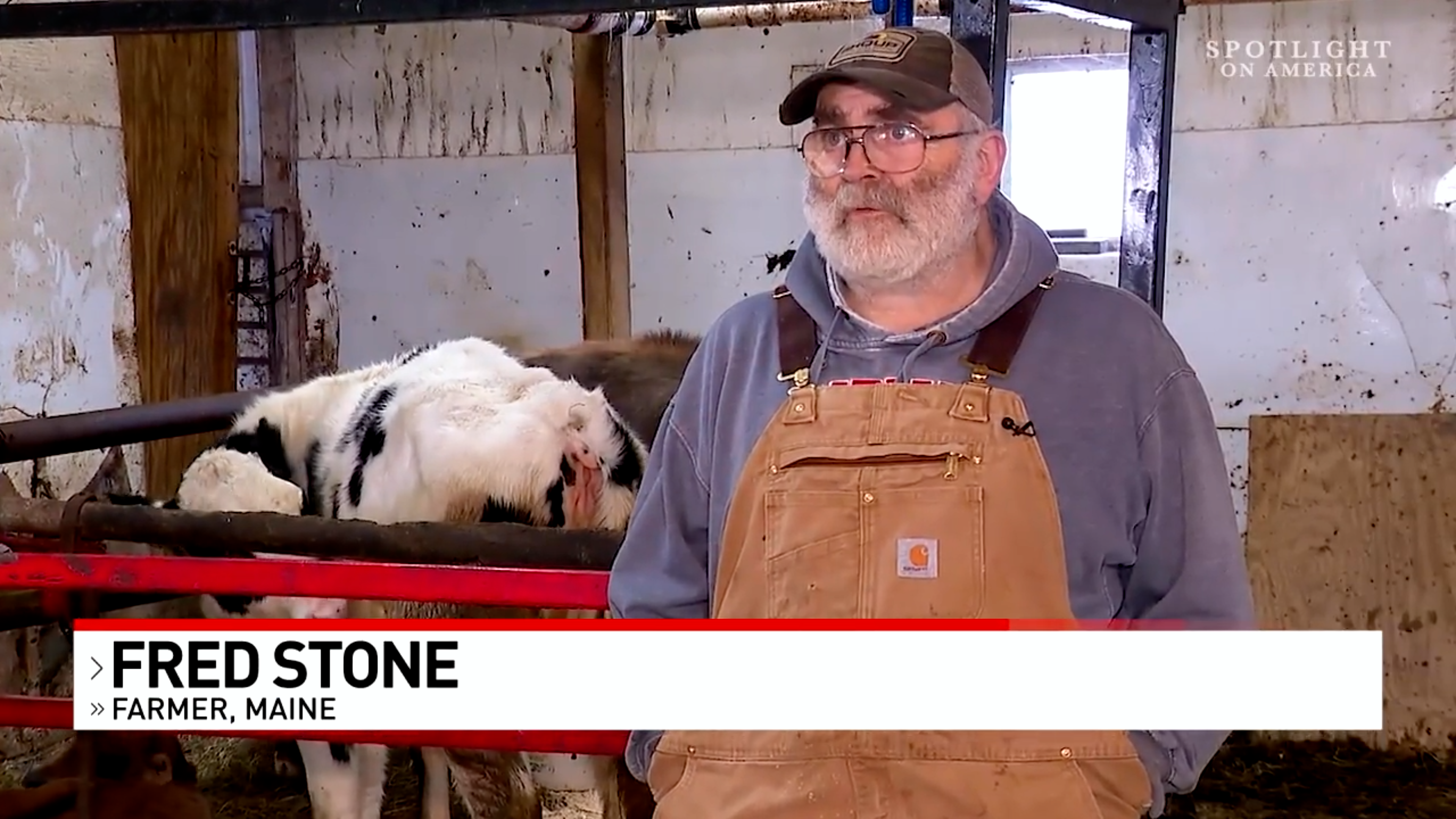
The appeal from Public Employees for Environmental Responsibility (PEER) is the latest move in a battle over policy issues surrounding sewage sludge contamination. PEER sued the Environmental Protection Agency (EPA) in 2024 on behalf of two Texas farm families who experienced health problems after their properties were contaminated with PFAS per- and polyfluoroalkyl (PFAS) chemicals contained in sewage sludge spread as fertilizer on a neighboring property. Johnson County, Texas, the Maine Organic Farmers and Gardeners Association (MOFGA) and the Potomac Riverkeeper Network were also plaintiffs in the suit.
read full article
Researchers at UAlbany investigate how PFAS from spreading sludge impacts food crops
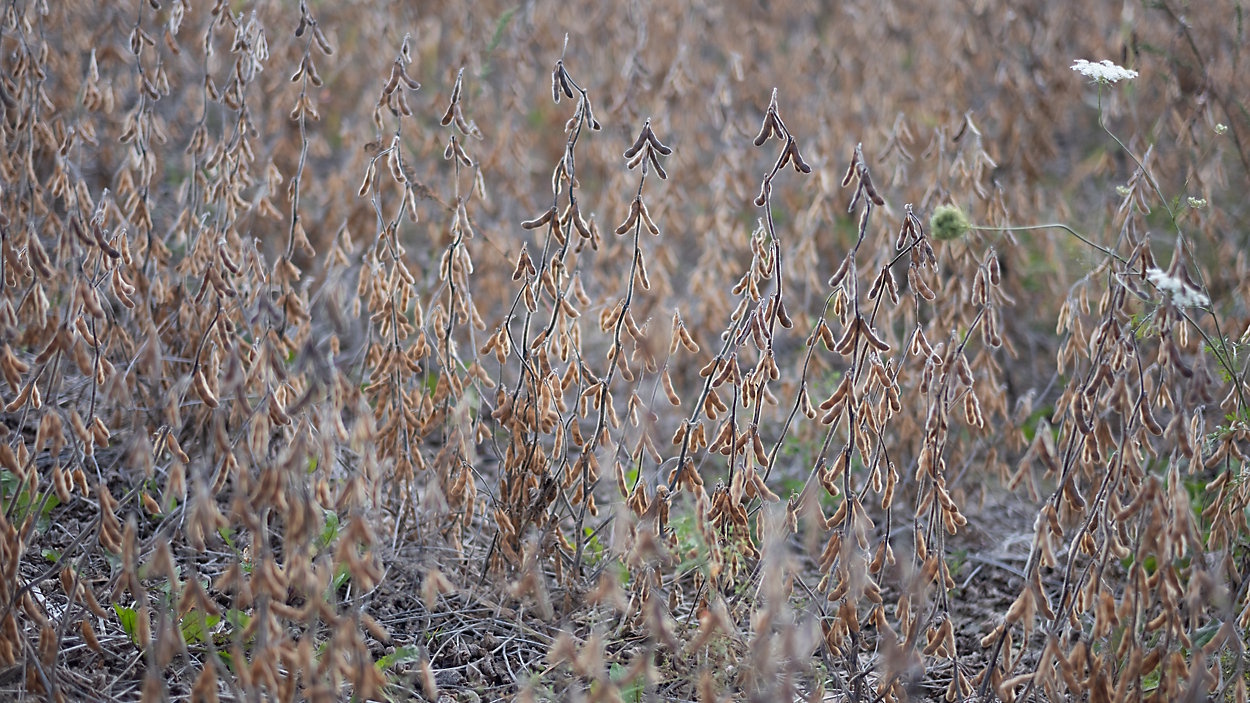
Soybeans grow in a field in Steuben County where sewage sludge was spread for many years. (Emily Kenny/Spectrum News 1)
Why Landfilling Toxic Sewage Sludge is Not the Answer
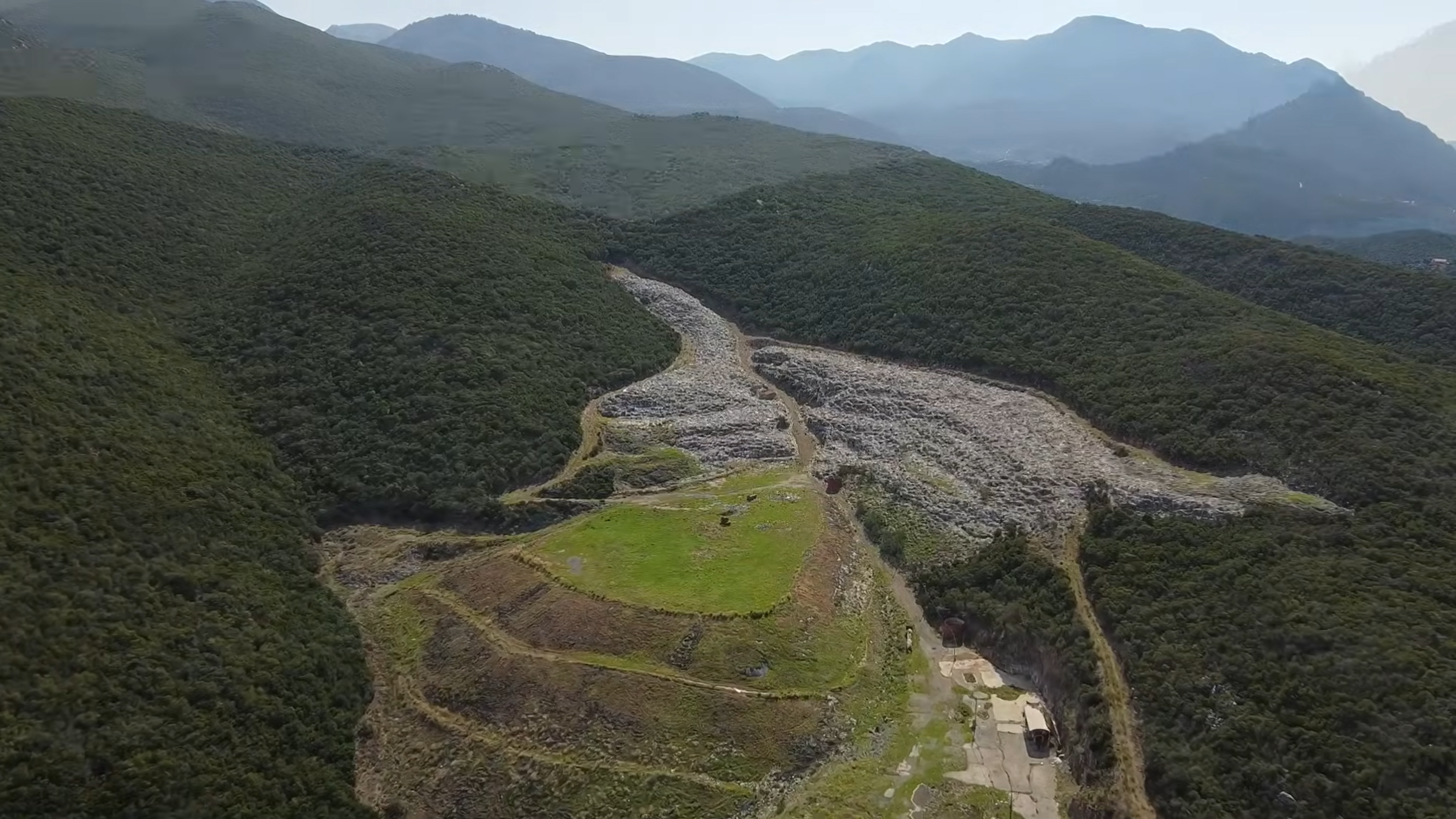
Although this research report focuses on landfill hazards in European countries, the practices and problems it documents are largely mirrored in the United States. As the report clearly demonstrates, disposing of toxic sewage sludge in landfills—often presented as an alternative to spreading it on farmland—does not constitute a meaningful or safe solution.
Congress tries to shut down action on dangerous PFAS in fertilizer 'in the dark of night'

WASHINGTON (SOA) — Earlier this month, we reported on a potential health risk being spread on American farms and invading our food and milk supply. Fertilizer made from human waste, which often contains forever chemicals, is not regulated in the U.S. The EPA seemed poised to take action in 2025, but now, there's an effort to shut that down from within the halls of Congress. We wanted to know why.
Sludge with forever chemicals spread on US farms threatens food supply, livelihoods
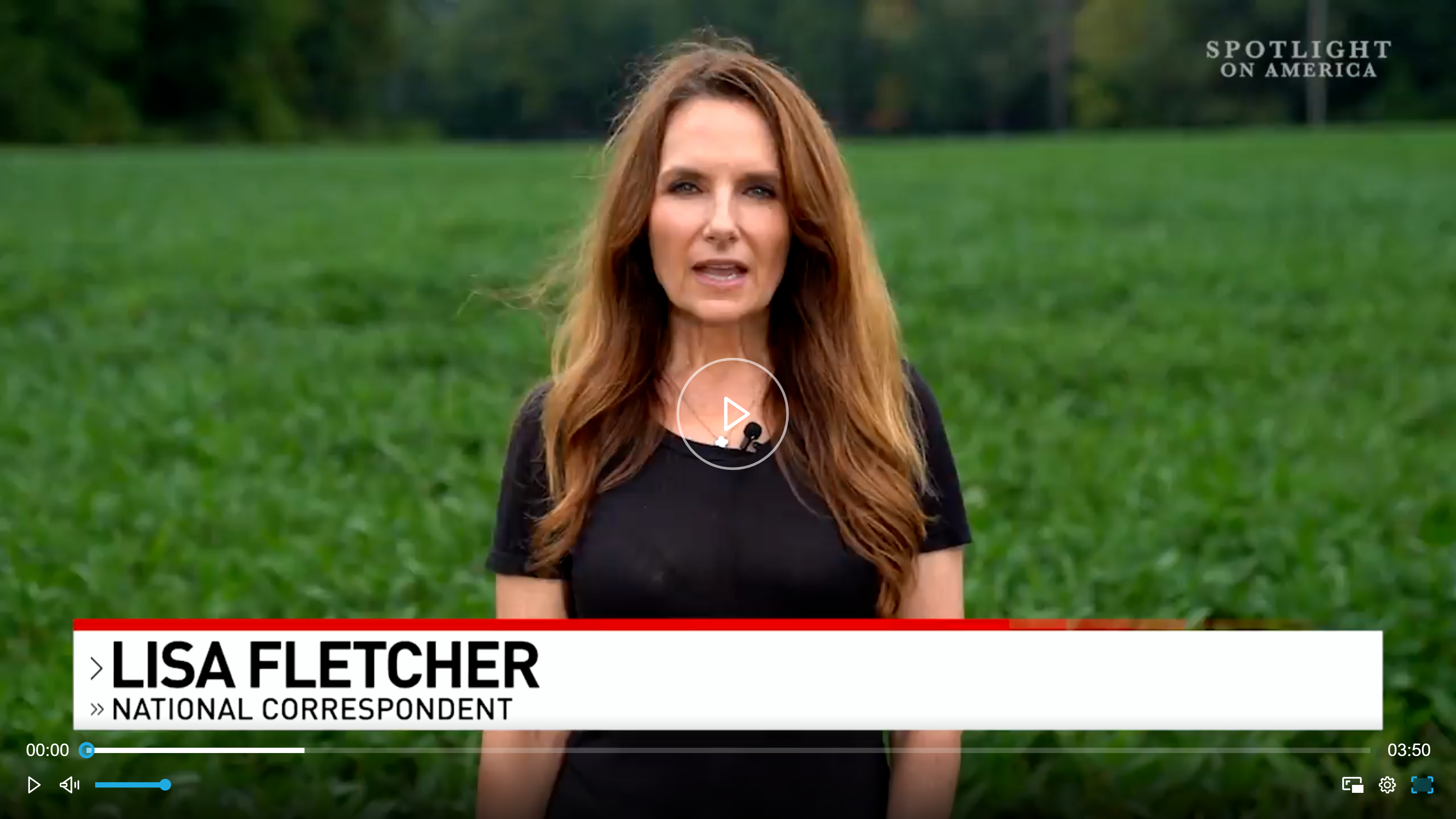
WASHINGTON, D.C. (7News) — Every year, more than one million tons of sewage, sludge or biosolids are applied to U.S. farmlands.
For decades, it's been used as fertilizer to provide nutrients to the soil. But this sludge often contains PFAS, toxic "forever chemicals" that have been linked to cancer, and are now invading our food supply through the very farms that nourish us. And now, just as the United States was on the verge of action to address the risk, there is a high-level effort to stop it entirely.
‘A Trojan horse’: how toxic sewage sludge became a threat to the future of British farming
Sludge used as fertiliser on farmland contains harmful chemicals that scientists suspect are entering food chain by Rachel Salvidge Mon 7 Jul 2025 09.00 EDT 
Experts say the practice of spreading sewage sludge on farmland has become a covert route for dumping toxic industrial waste. Photograph: David Calvert/Alamy
For decades, sewage sludge has been quietly spread across Britain’s farmland, marketed as a nutrient-rich fertiliser. But insiders and scientists warn that hidden within it is a mix of household and industrial chemicals such as Pfas (“forever chemicals”), pharmaceuticals, pesticides, hormone-damaging chemicals and microplastics, threatening the long-term health of the land.
New Analysis Finds PFAS in 98% of Tested U.S. Waterways Across 19 States

By: Waterkeeper Alliance
June 26, 2025
A new report released today by Waterkeeper Alliance, in partnership with local Waterkeeper groups and the Hispanic Access Foundation, reveals that toxic per- and polyfluoroalkyl substances (PFAS) have contaminated 98% of tested U.S. waters, with elevated levels found at 95% of sampled sites downstream from wastewater treatment plants (WWTPs) and 80% downstream from biosolids land application sites.
Building on the 2022 Phase I report—which revealed PFAS contamination in 83% of tested U.S. rivers, lakes, and streams—this second of a multi-phase monitoring initiative focused on sites downstream from WWTPs and permitted biosolids application fields, particularly in disproportionately impacted communities across 19 states. Using PFASsive™ passive samplers, developed by SiREM, these devices were deployed upstream and downstream of 22 WWTPs and 10 biosolids application fields, capturing PFAS levels over at least 20 days—providing more accurate insight than traditional “grab” sampling.
read full report
Sewage sludge moratorium doesn't get vote in New York Assembly
BY Emily Kenny Central NY
PUBLISHED 4:31 PM ET Jun. 18, 2025
A bill that would have put a five-year moratorium on the use of sewage sludge on farmland did not pass the New York state Assembly before the end of this year’s legislative session despite bipartisan support early on.
“If you look at the votes, you’ll see it was unanimous ‘yes,’ bipartisan, and then last minute, the same people who voted ‘yes’ all voted ‘no’ in the Rules Committee,” said state Assemblywoman Anna Kelles, a Democrat and sponsor of the bill.
At the end of session, there was a push from lobbyists in favor of the use of biosolids, which Kelles said swayed other members of the chamber.
“There’s at least one very large private equity firm in one county here in New York mixing our sludge from our toilets and our sinks, our residential and commercial waste, mixing it with wood chips and selling it back to us for huge profits for landscaping, compost, agricultural soil amendments with no disclosure [of PFAS chemicals],” Kelles said.
Saving Farmland: Battling Toxic PFAS in Biosolids in Texas and Beyond
Learn how millions of tons of sewage sludge (or biosolids), applied as fertilizer, are contaminating American farmland with toxic PFAS chemicals. These “forever chemicals” accumulate in the food chain, endangering human health and wildlife.
Donate
Please support the work of the Sewage Sludge Action Network. Be as generous as you can. Thank you!
Mailing List
To receive alerts, news and information from the Sewage Sludge Action Network, please join our mailing list.
Press Coverage
Suggested Reading

TOXIC CONSEQUENCES: - The Alchemical Dynamics of Toxic Sewage Sludge
February 5, 2026
392 pages
ISBN-13 : 979-8317821784

Sludge Tracker: Toxicus ad Infinitum - The Adverse Impact of Land-Disposed Toxic Sewage Sludge on Human & Environmental Health
Paperback
December 8, 2022
380 pages
ISBN-10 : 0965262154
ISBN-13 : 978-0965262156
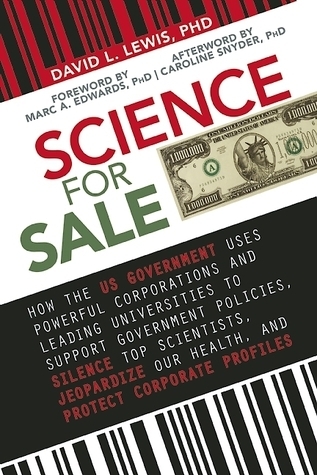
Science for Sale
How the US Government Uses Powerful Corporations and Leading Universities to Support Government Policies, Silence Top Scientists, Jeopardize Our Health, and Protect Corporate Profits
Hardcover
June 3, 2014
328 pages
ISBN: 1626360715
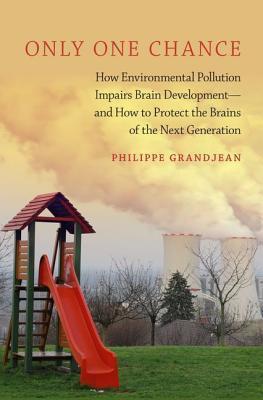
Only One Chance
How Environmental Pollution Impairs Brain Development -- and How to Protect the Brains of the Next Generation
Hardcover
07 May 2013
232 Pages
ISBN: 9780199985388
Purchase from Oxford University Press
What You Can Do
Contact Us
Site Search